Harper Koch · 24 September 2026
Tracing Data Pathways: How Backend Evolutions Shape Sustained Audience Reach Patterns
Backend systems process vast streams of user interactions every day, and their architectural changes directly influence how content reaches audiences over extended periods. Data pathways begin at the point of collection, move through storage layers, and end in analytics outputs that guide distribution decisions. When organizations update these systems, the routes data travels often shift in ways that affect retention metrics and visibility patterns across platforms.
Core Components of Data Pathways in Backend Architectures
Modern backend infrastructures rely on interconnected elements that include databases, APIs, caching mechanisms, and logging frameworks. Each component handles specific segments of information flow, from initial user requests to aggregated reach statistics. Researchers at various institutions have mapped these routes to identify bottlenecks that emerge after updates, such as migrations to distributed computing environments. Data shows that organizations tracking these pathways report clearer correlations between system modifications and audience engagement durations.
Tracing begins with event logging at the application layer, where user actions generate structured records. These records travel to centralized or decentralized repositories, depending on the architecture in place. In September 2026, several platforms adopted enhanced query optimization tools that reroute data queries more efficiently, reducing latency in audience pattern analysis. The result appears in sustained reach figures that maintain stability even during peak traffic periods, according to reports from the Australian Bureau of Statistics on digital infrastructure performance.
Evolutions in Backend Systems and Their Effects on Reach
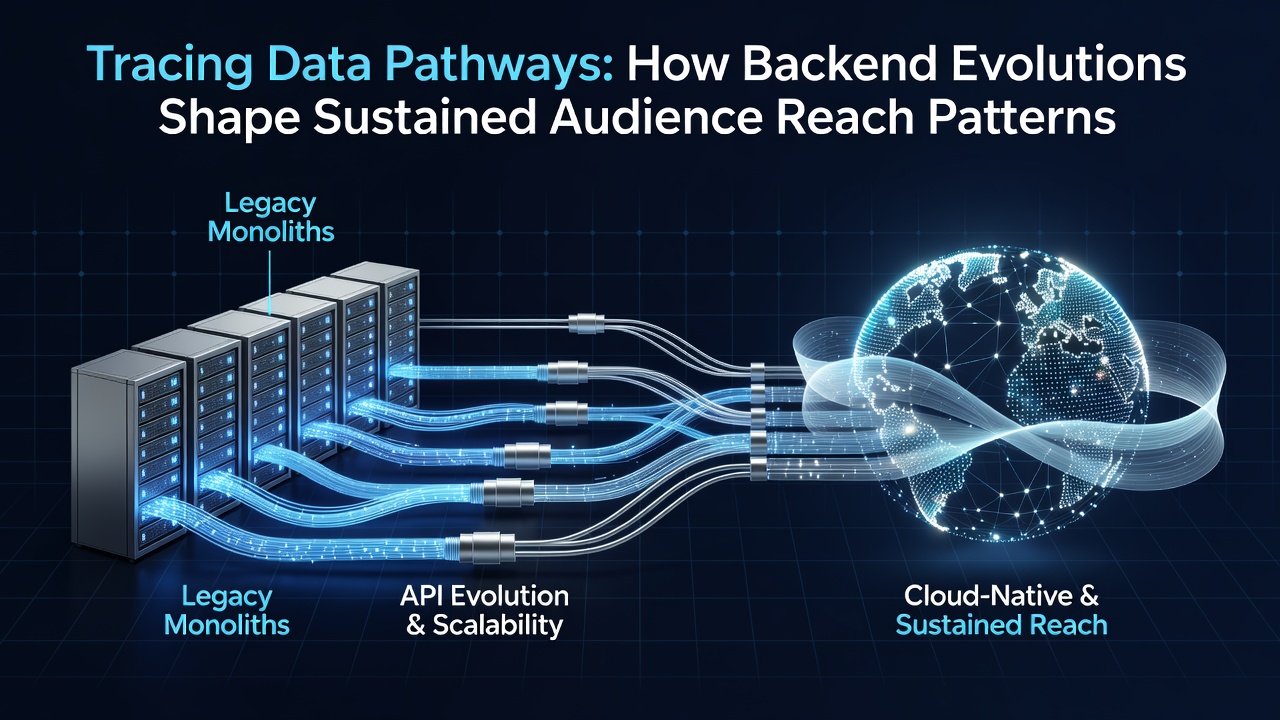
Shifts from monolithic designs to microservices architectures represent one major evolution that alters data movement. In older setups, information followed linear paths through single servers, which limited scalability when audience volumes grew. Newer configurations break these paths into independent services that communicate asynchronously, allowing parallel processing of reach-related metrics. Studies from Canadian research centers indicate that such transitions correlate with improved consistency in long-term audience retention data.
Cloud-native implementations introduce further changes by distributing data across multiple regions. This setup enables real-time synchronization of user profiles that feed into recommendation engines, which in turn shape how content sustains visibility. Observers note that pathways involving edge computing nodes shorten the distance between data generation and analysis, leading to faster adjustments in audience targeting parameters. Figures from the National Science Foundation highlight increases in processing speeds following these distributed model adoptions in various sectors.
Case Examples of Pathway Tracing in Practice
Take one media company that implemented API gateway enhancements in early 2025, which rerouted authentication data through dedicated verification services. This adjustment improved the accuracy of session tracking, resulting in more precise measurements of repeat visits from specific demographic groups. Another instance involves a research team that monitored database sharding techniques, where data partitions were reorganized to balance load across clusters. The outcome included steadier audience reach curves that avoided sharp drops during maintenance windows.
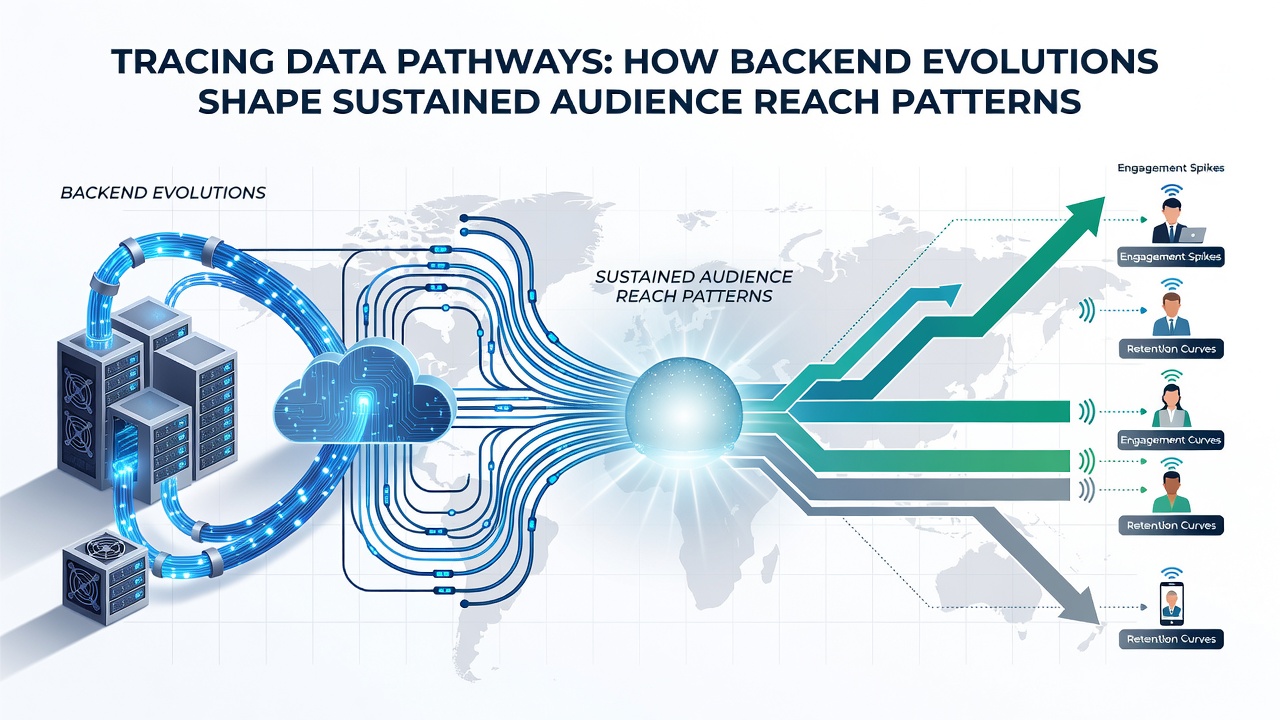
These examples illustrate how targeted modifications in backend layers produce measurable shifts in sustained patterns. Data from European academic studies on digital ecosystems further supports that organizations investing in pathway monitoring tools experience fewer disruptions to engagement metrics following infrastructure updates. What's notable is the role of automated tracing tools, which capture granular details at each hop in the data journey.
Measurement Techniques and Analytical Approaches
Teams employ distributed tracing frameworks to follow data as it moves between services, assigning unique identifiers to requests that persist across boundaries. This method reveals latency points and loss risks that might otherwise remain hidden in aggregated logs. Research indicates that integrating these frameworks with visualization dashboards allows teams to correlate specific backend events with audience reach fluctuations over months rather than days.
Additional approaches include sampling high-volume data streams at key junctions, which reduces storage demands while preserving representative samples for pattern analysis. In practice, this yields datasets that demonstrate how backend evolutions maintain or enhance audience continuity. Reports compiled by industry bodies in the Asia-Pacific region confirm that consistent application of these techniques supports reliable forecasting of reach sustainability.
Conclusion
Backend evolutions continue to redefine the routes through which audience data travels, with direct consequences for sustained reach patterns across digital environments. Organizations that systematically trace these pathways gain clearer insights into the connections between system changes and engagement outcomes. As developments unfold through September 2026 and beyond, the emphasis remains on precise monitoring to support consistent audience access and visibility metrics.